

What are the early warning signs of a full septic tank?
Slow drains in more than one fixture at once is the tell. If the kitchen sink and the shower both back up the same afternoon, that is not a clogged trap, that is the tank. Gurgling from the toilet when the washing machine drains is the same story: air trying to get back up the line because the tank has no room left. Homeowners in Laguna Niguel also notice a spongy or unusually green patch over the drain field, which means effluent is surfacing instead of draining down; if you are weighing a holding tank rental while the field gets repaired, that page covers the interim option. A sewage odor near the tank lid or the yard, especially after rain, is a late sign, not an early one. If you are already smelling it outside, call for septic pumping service rather than waiting for a full septic tank cleaning appointment to open up. Restaurants and commercial kitchens watch a different marker: a grease interceptor needs pumping once fats, oils, grease and solids reach 25 percent of the liquid depth, which comes up faster than most owners expect. That schedule belongs on the grease trap pumping page, not the residential one, because the triggers are different.
Why does my septic tank smell bad even though it was pumped recently?
A recent pumping does not rule out a broken vent pipe, a cracked lid, or a drain field that is oversaturated from runoff. Laguna Niguel sits close enough to the coast that heavy rain events can push groundwater up into a drain field that was already near capacity, and that shows up as odor before it shows up as standing water. Check the vent stack on the roof first; a blocked vent pushes sewer gas back through fixture traps instead of releasing it outside, similar to how a job site relies on properly vented portable toilet rental units to keep odor down. If the smell is coming from inside the house near a floor drain, that trap may have dried out rather than the tank being the problem. Either way, do not guess twice. An emergency call gets a tech out to look at the actual tank instead of the vent. See emergency septic service for that. If you are unsure whether the fix is a $150 to $300 day-rate pump-out or something structural with the tank itself, the septic tank pumping cost page breaks down what drives that range.
How often should a septic tank actually be pumped?
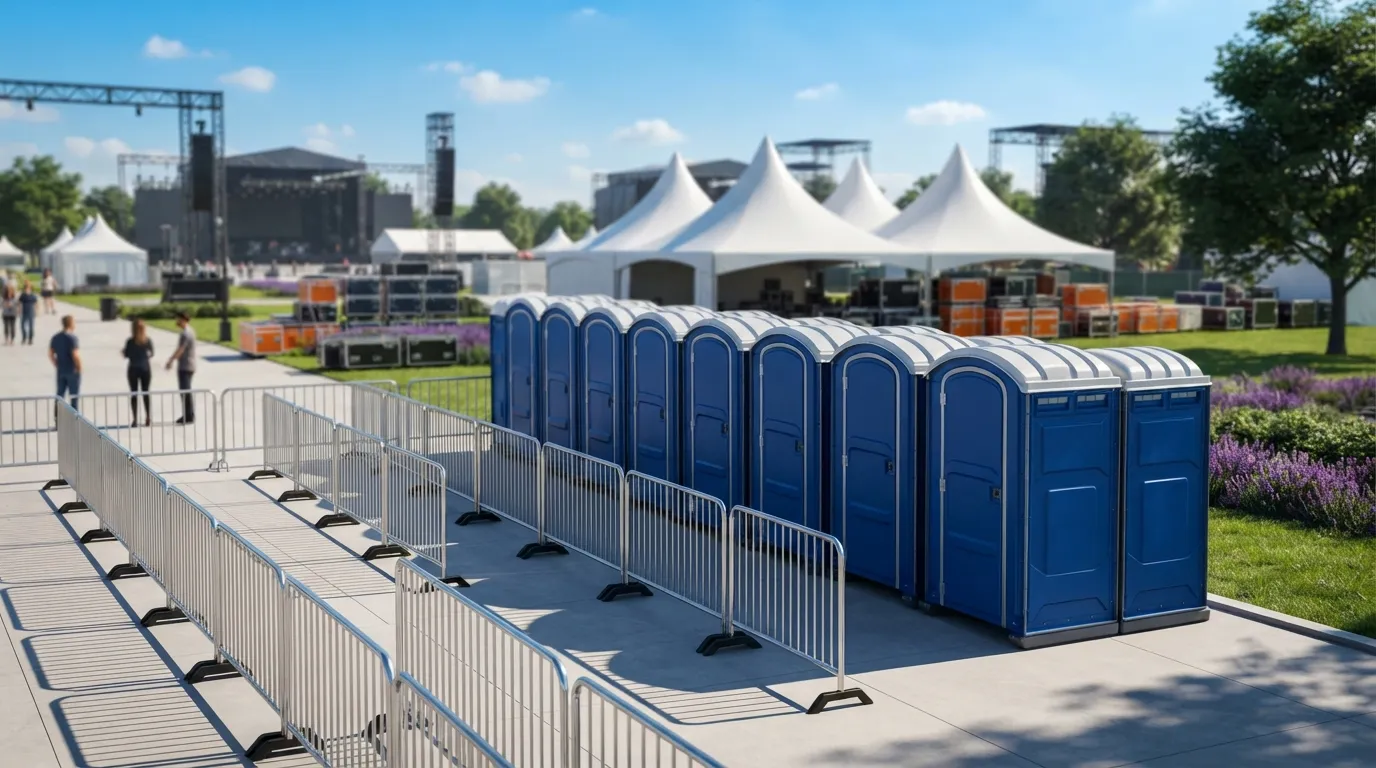
Every 3 to 5 years for a standard 1,000 gallon residential tank, though tank size and household size both push that window shorter or longer. A house with six people and a small tank might need service every 2 years; a couple in a larger home might stretch past 5, the same way a porta potty monthly rental schedule changes based on how many people are actually using the units. The full breakdown of what changes that interval lives on how often to pump a septic tank, which is worth reading before you guess. Construction sites and events do not run on a septic schedule at all; they run on portable capacity instead, sized against OSHA 1926.51(c), which sets 1 toilet for 20 workers or fewer and scales up from there, the same standard that governs construction site services and standard porta potty rental planning. If you are staffing a job site in Laguna Niguel rather than maintaining a home system, how many porta potties do I need and OSHA portable toilet requirements are the right pages, not this one.

Should I worry about a slow drain if only one fixture is affected?
Not necessarily. One slow fixture is usually a local clog: hair, grease, or a partial blockage in that one line. The septic tank becomes the suspect when two or more fixtures slow down at the same time, especially fixtures that are not physically connected to the same branch line. A single sluggish bathroom sink rarely means tank trouble, though a homeowner running a home renovation porta potty alongside plumbing work should still watch every fixture, not just the one being renovated. Multiple slow drains across the kitchen, a bathroom, and the laundry line on the same day is the pattern worth a call.
| symptom | usually means | day-rate range |
|---|---|---|
| one slow drain | local clog | not a septic call |
| multiple slow drains same day | tank near full | $150-$300 pump-out |
| gurgling toilet after laundry drains | tank near full | $150-$300 pump-out |
| standing water over drain field | tank overfull or field failing | inspection needed |
| sewage odor near lid | full tank or cracked lid | $150-$300 pump-out |
Homeowners doing a renovation while sorting out septic issues sometimes need a dumpster on site at the same time; construction dumpster rental, roll-off dumpster rental and dumpster rental cost cover that separately, and a temporary fence rental can keep the yard secured while the drain field is dug up.
How much does it cost to pump a septic tank?
A standard residential pump-out runs $150 to $300 for a day-rate service call, based on measured pricing across the region. Weekend service tends to run less, roughly $50 to $150, since it is typically a smaller emergency response rather than a full scheduled pump-out, similar to how porta potty rental per day pricing differs from a full week. Exact cost depends on tank size and access. See septic tank pumping cost for the full breakdown.
Can a septic tank overflow without any warning signs?
Rarely. Most tanks show at least one sign, usually slow drains or gurgling, before an actual overflow. Skipping signs is common when a homeowner assumes it is a plumbing clog rather than checking multiple fixtures. If two or more drains slow down together, treat it as a tank issue, not a plumbing one, and schedule service before it becomes standing water.
Do commercial kitchens face different septic warning signs than homes?
Yes. Grease interceptors fill based on fats, oils, grease and solids reaching 25 percent of liquid depth, a different trigger than a residential tank filling with waste and water. Restaurants near Laguna Niguel should watch for slow floor drains near the kitchen line specifically, and any kitchen crew working without a fixed sink should also look at a handwashing station rental or portable sink rental to stay compliant in the meantime. See grease trap pumping for the commercial schedule.
Is a gurgling toilet always a septic problem?
No. A gurgling toilet paired with a slow-draining sink or shower usually points to the tank. A gurgling toilet on its own, especially after a long vacancy, can just mean a dry trap or a venting issue elsewhere in the house. Multiple symptoms together are the real signal.
What should I do if I see standing water over my drain field?
Stop using water in the house and call for service right away. Standing water over the drain field means the field can no longer absorb effluent, which is a more serious failure than a full tank alone. Laguna Niguel homes on older systems, particularly those about 6.0 miles from newer development in Laguna Hills, see this more often on aging drain fields, and homeowners in Dana Point or Aliso Viejo with similar-age systems report the same pattern.
Next step
Get a delivery date
Tell us the address, the dates and the headcount. We size the order and confirm the route.