
What items are banned from a roll-off dumpster?
The list is longer than most people expect. Paints and coatings top it, along with solvents, herbicides and insecticides. Batteries of any kind, car or household, are out too, and so are tires, propane tanks, and any refrigerant-holding appliance like a fridge or window AC unit. Asbestos siding or insulation is banned outright. Medical waste, sharps and biohazard material never go in with construction debris. Electronics, especially anything with a screen or circuit board, usually need a separate recycling stream. If you are unsure whether something counts as hazardous, ask before you toss it. Renters working through a construction dumpster rental or comparing 10 yard dumpster rental against a bigger box should check the dumpster weight limits page too, since banned items and overweight loads get flagged at the same scale ticket. A full breakdown lives on our what cannot go in a dumpster hub, which this page supports directly.
Why do these restrictions exist?
Landfills and transfer stations enforce these rules, not us, and the fines land on whoever's name is on the rental agreement. Paint and coating residue triggers OSHA 1926.51(f)(1) washing requirements for crews handling it on site, which tells you something about how the material behaves once it is in a bin baking in the Laguna Niguel sun. Propane tanks and aerosol cans can rupture under compaction. Electronics leach heavy metals. None of this is arbitrary. If your project touches paints, coatings, herbicides or insecticides, plan handwashing access before the work starts, not after, and look at a handwashing station rental or portable sink rental alongside the dumpster order.
What should I do with banned items instead?
Most banned categories have a dedicated drop-off or recycling path. Household hazardous waste, paint and batteries typically go to a designated collection event or facility rather than curbside pickup, and electronics usually route through a certified e-waste recycler. Tires often go back to a tire shop for a small fee. If you are gutting a kitchen and pulling old appliances, separate the fridge and AC unit before the dumpster even arrives. For grease and food waste from a commercial kitchen, that is a different service entirely: a grease interceptor gets pumped once fats, oils, grease and solids reach 25 percent of the liquid depth, and that work falls under grease trap pumping, not the roll-off. Homeowners tackling a bathroom or garage cleanout should also look at what cannot go in a dumpster alongside permit rules, since placement in the street or right of way in Laguna Niguel needs confirming with the city before delivery day.
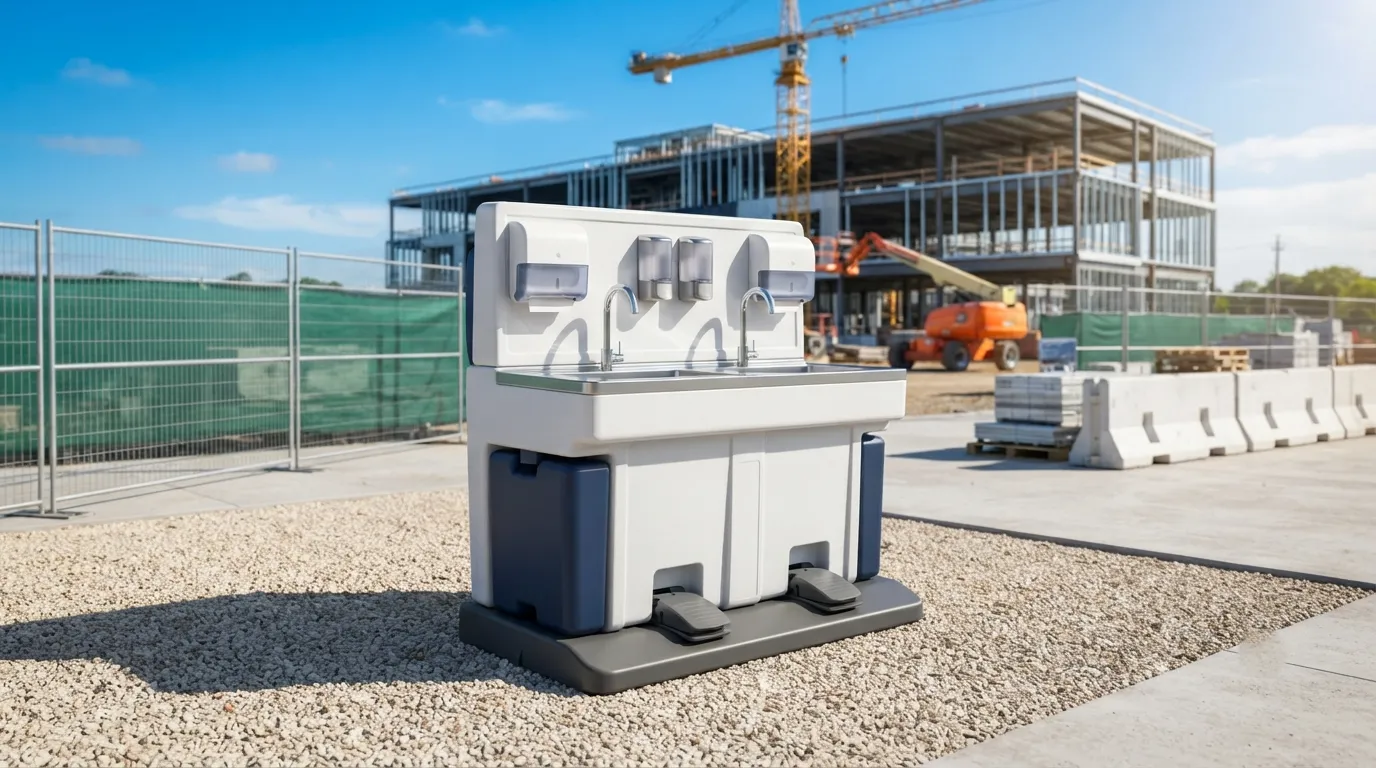
Table: common banned items and what to do with them
| Item | Why it's banned | Where it goes instead |
|---|---|---|
| Paint and coatings | Residue, OSHA 1926.51(f)(1) washing trigger | Household hazardous waste collection |
| Tires | Compaction and landfill acceptance rules | Tire shop or dedicated recycler |
| Batteries | Fire and chemical risk | Battery recycling drop-off |
| Propane tanks | Rupture risk under compaction | Exchange or hazardous waste site |
| Electronics | Heavy metal leaching | Certified e-waste recycler |
| Asbestos materials | Airborne fiber hazard | Licensed abatement contractor |
| Medical waste | Biohazard handling rules | Medical waste disposal service |
Can I get fined for putting banned items in my dumpster?
Yes. Disposal facilities inspect loads, and a banned item found during unloading can mean a rejected load, a re-sort fee, or a fine passed straight to the renter. This is separate from OSHA 1926.25 housekeeping rules, which cover keeping debris cleared from active work areas, and from OSHA 1926.252 waste chute and enclosure rules on multi-story sites. Both matter if you are running a active job site alongside your roll-off dumpster rental, especially one large enough to need a 40 yard dumpster rental or 30 yard dumpster rental. Check dumpster sizes and dimensions before you order so the box actually fits what you're clearing, and confirm delivery clearance, since a roll-off truck needs about 60 feet of straight room behind it to set the container down safely.
What if I'm not sure whether something counts as hazardous?
Ask before it goes in the box. A quick call to Laguna Niguel Porta Pros or a look at dumpster rental cost and permit pages saves a re-sort fee later. When in doubt, treat anything with a warning label, a battery, or a strong chemical smell as banned material.
Can construction debris like drywall and lumber go in?
Yes, drywall, lumber, roofing material and general demo debris are standard fill for a roll-off. These do not carry the same restrictions as paints or electronics. Pair the dumpster with a storage container rental if you need to stage materials on site during a longer renovation.
Do yard waste and dirt count as banned?
Not banned, but often limited by weight rather than material type. Dirt, concrete and yard debris are heavy, and a full load can hit weight limits fast. Check dumpster weight limits before loading a full yard cleanup into one box.
What happens if a banned item is found in my dumpster?
The disposal facility flags it during unloading, and the hauler passes along a re-sort fee or fine. This is why sorting matters before pickup, not after the truck leaves Laguna Niguel with your load already loaded.
Is there a difference in rules between residential and commercial dumpsters?
The banned item list stays the same either way. What changes is volume and permit requirements, especially for commercial sites using multiple boxes. Check dumpster permit requirements for placement details specific to your property type.
Next step
Get a delivery date
Tell us the address, the dates and the headcount. We size the order and confirm the route.